

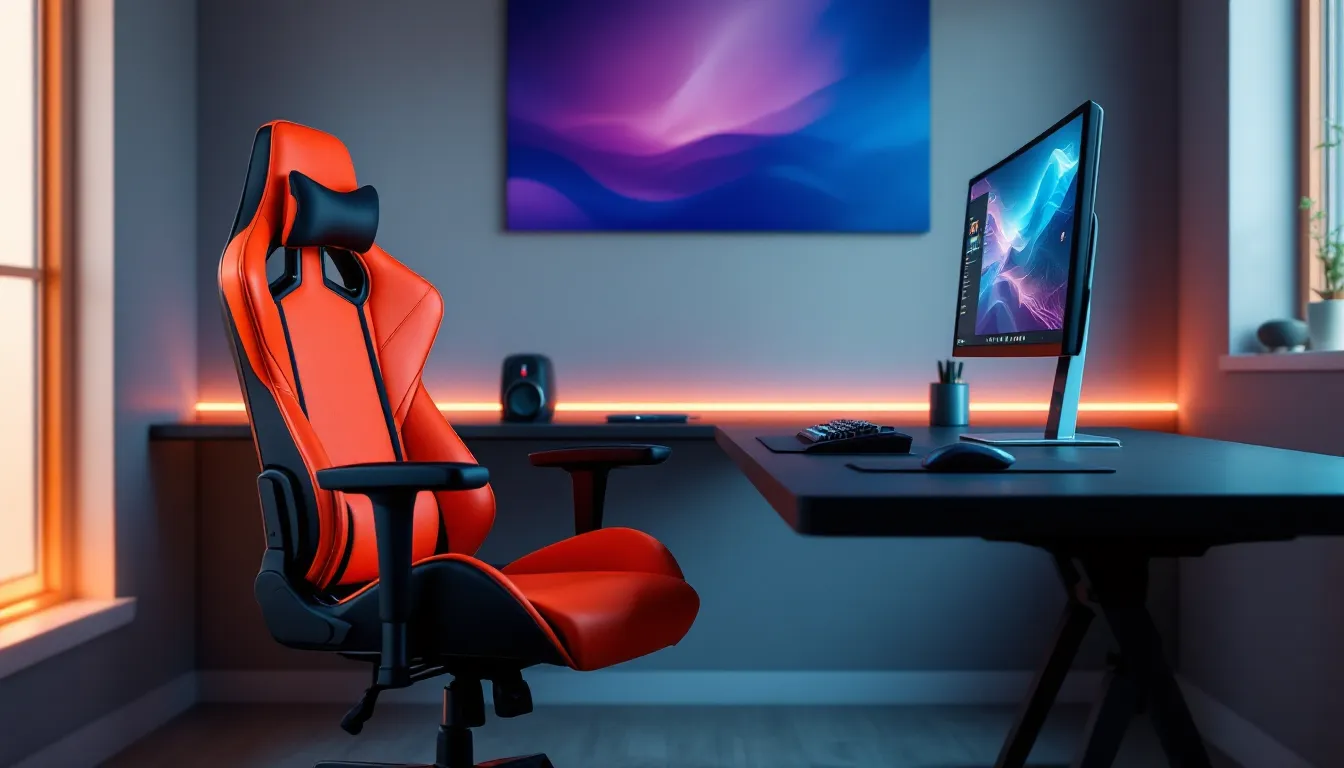
Walk into any top-tier streamer’s setup in 2026 and you’ll spot a trend that’s impossible to ignore: bold, statement-making seating. While black and red still dominate the gaming chair market, orange has carved out its niche as the color of choice for gamers who want their battlestation to stand out. It’s loud without being obnoxious, warm without sacrificing edge, and somehow manages to look equally at home in a competitive FPS grind or a cozy indie game marathon.
But an orange gaming chair isn’t just about aesthetics. The right chair can mean the difference between maintaining peak performance during a ranked climb and logging off early with a stiff neck and lower back pain. Whether you’re streaming to thousands or just want a setup that sparks joy every time you sit down, choosing the right orange gaming chair requires balancing color psychology, ergonomic necessity, and build quality. This guide breaks down everything gamers need to know in 2026, from the features that actually matter to how to integrate that vibrant orange into a cohesive setup without it looking like a traffic cone landed in your room.
Key Takeaways
- An orange gaming chair offers both aesthetic appeal and psychological benefits, promoting focus and energy while creating a distinctive visual identity for streamers and gamers.
- Ergonomic features like adjustable lumbar support, 4D armrests, and seat depth adjustment are essential to prevent back pain and maintain peak performance during extended gaming sessions.
- Material quality matters: PU leather suits content creators with easy cleaning and visual appeal, while fabric options provide better breathability for long hours and warmer climates.
- Mid-range orange gaming chairs ($200–$400) deliver the best value, providing premium comfort and durability without the diminishing returns of entry-level budget models.
- Proper chair height, maintenance, and room color coordination ensure your orange gaming chair integrates seamlessly into your setup and lasts 3–5 years with care.
- Orange pairs exceptionally well with deep blues, greens, and purples in gaming spaces, and on camera, neutral white lighting (4000K–4500K) renders the chair most accurately for streaming.
Why Choose an Orange Gaming Chair?
The Psychology of Orange in Gaming Spaces
Orange sits at a fascinating intersection in color psychology, it carries the energy and intensity of red but tempers it with yellow’s optimism and creativity. For gaming spaces, this translates to an environment that promotes focus without aggression. Studies on workspace color psychology suggest orange can boost enthusiasm and mental energy, making it particularly effective for long sessions where maintaining alertness matters.
Unlike cooler tones that can feel sterile or overly clinical, orange creates warmth. This matters more than you’d think when you’re six hours deep into a campaign or grinding through placements. The color doesn’t just energize: it makes your space feel lived-in and intentional, which can improve your overall relationship with your gaming environment.
There’s also the practical angle: orange is naturally high-contrast against most wall colors and typical gaming room palettes (blacks, grays, dark blues). This visual separation helps define your gaming zone, which some gamers find beneficial for mentally “switching on” when they sit down.
Standing Out in the Streaming Era
Let’s be honest, if you’re streaming or creating content, your background matters. Generic black racing chairs have been done to death, and while they’re safe, they don’t create visual interest. An orange gaming chair immediately catches the eye without being as visually overwhelming as neon green or hot pink.
Many successful streamers in 2026 have adopted the philosophy that their physical setup should be as curated as their overlays and alerts. An orange chair creates a focal point that viewers remember. It photographs well, creates natural color contrast in thumbnails, and gives your channel a distinctive look that helps with brand recognition.
The color also plays nicely with RGB lighting setups. Orange can be complemented or contrasted with purple backlighting, matched with warm amber tones, or even played against cool blues for a dynamic split-complementary scheme. It’s versatile enough to work with evolving setups without requiring a complete overhaul when you change your lighting game.
Key Features to Look for in an Orange Gaming Chair
Ergonomic Design and Lumbar Support
No amount of style matters if the chair wrecks your spine. Lumbar support isn’t optional, it’s the foundation of any gaming chair worth buying. Look for chairs with adjustable lumbar pillows or, better yet, built-in lumbar mechanisms that let you dial in the exact curve your lower back needs.
The best orange gaming chairs in 2026 feature 4D armrests (adjustable in height, angle, depth, and lateral position) that prevent shoulder strain during mouse-heavy games. Fixed armrests are a dealbreaker for serious gamers: you need to position them so your elbows sit at roughly 90 degrees while maintaining neutral wrist position.
Seat depth adjustment is criminally underrated. If you’re taller than 5’10” or shorter than 5’6″, a one-size-fits-all seat pan will either cut into the back of your knees or leave you sitting too far forward. Premium models offer 2-3 inches of adjustment here, which makes an enormous difference during marathon sessions.
Many professional gamers and those following professional setup configurations prioritize recline lock positions over maximum recline angle. Being able to lock at 95°, 105°, and 115° lets you find the sweet spot for different gaming scenarios, leaning forward for competitive play, slightly back for RPGs, more reclined for watching streams between matches.
Material Quality: Leather vs. Fabric
Orange gaming chairs typically come in three material categories: PU leather, PVC leather, and fabric mesh or textile. Each has distinct trade-offs that affect both durability and comfort.
PU leather offers that premium look and is easier to wipe clean after inevitable energy drink spills. It photographs well for content creation and generally costs less than genuine leather while still looking sharp. The downside? Breathability suffers, especially during summer months or in rooms without AC. Cheaper PU leather also tends to flake and peel after 18-24 months of heavy use.
Fabric options have exploded in quality since 2024. Modern gaming-grade fabrics resist staining better than older generations and offer superior breathability. If you run hot or live in a warm climate, fabric is the move. The orange tones in fabric chairs tend to be slightly more muted than leather versions, which some gamers actually prefer, less “traffic cone,” more “burnt orange” or “terracotta.”
Hybrid designs are gaining traction in 2026: fabric seat pans with leather bolsters, or mesh backs with leather seats. These split the difference, putting breathable material where you need it most while maintaining that clean aesthetic on camera-facing surfaces.
One specific note for orange: lighter orange leather shows wear and discoloration faster than darker shades. If you’re eyeing a pastel or bright orange PU leather chair, budget for replacement sooner or commit to regular cleaning.
Adjustability and Customization Options
Adjustability separates budget chairs from the ones that’ll actually support your performance. Beyond the basics (height, recline, armrests), look for:
- Tension control: Adjusts how much force it takes to recline. Essential for finding the balance between support and flexibility.
- Tilt lock: Locks the backrest independently of seat, letting you find your ideal angle.
- Headrest adjustment: Removable pillows are fine for budget chairs, but integrated adjustable headrests offer better support positioning.
- Base width: Wider five-star bases (28″+ diameter) are more stable, especially if you’re the type to shift around during intense moments.
Some 2026 models have started incorporating memory foam that adapts to individual body shapes over the first 30-60 days of use. These chairs feel slightly firm initially but mold to your pressure points, creating custom support without manual adjustment.
Top Orange Gaming Chair Styles and Designs
Racing-Style Orange Gaming Chairs
The racing-style bucket seat remains the most popular gaming chair design, and orange versions lean heavily into the motorsport aesthetic. These chairs feature aggressive bolsters, high backs, and that distinctive wrapped look borrowed from racing harnesses.
Orange racing chairs typically come in a few color-blocking patterns: solid orange (rare and bold), orange with black accents (most common), or black primary with orange highlights and stitching (subtle but still distinctive). The orange-with-black combo works particularly well because the black grounds the brightness, making it easier to integrate into diverse setups.
These chairs suit competitive gamers who appreciate the locked-in feeling of side bolsters. The bolsters keep your posture centered, which can help maintain consistent mouse placement, a genuine advantage in precision-based games. But, if you’re broader in the shoulders or prefer to sit cross-legged occasionally, the bolsters can feel restrictive.
Minimalist and Modern Orange Designs
Not everyone wants to look like they’re about to hit the Nürburgring. Minimalist orange gaming chairs ditch the racing aesthetic for cleaner lines, slimmer profiles, and more office-forward designs that happen to be seriously comfortable.
These chairs often feature:
- Solid orange or two-tone designs without aggressive paneling
- Slimmer backs that fit under desks more easily
- Integrated (rather than pillow-based) lumbar support
- More subtle branding (or none at all)
Minimalist designs work especially well for dual-purpose spaces, home offices that convert to gaming setups, or apartments where you can’t dedicate a full room to gaming. A burnt orange or terracotta chair in a modern silhouette reads as “stylish desk chair” to visiting family and “intentional setup choice” to your gaming friends.
Brands have caught on that not every gamer wants to broadcast their hobby through furniture. These designs let orange do the talking without the racing stripes.
RGB-Enhanced Orange Gaming Chairs
The cutting edge of orange gaming chairs in 2026 involves integrated RGB lighting, and it’s less gimmicky than you’d expect. These chairs incorporate LED strips into the base, along the backrest seams, or even embedded in the seat pan edges.
When done well, RGB-enhanced orange chairs create a complete lighting ecosystem. You can:
- Match chair lighting to in-game events (some models sync with popular titles)
- Coordinate with existing RGB peripherals and case lighting
- Create lighting profiles for different streams or recording sessions
- Use reactive lighting that responds to audio or system performance
The orange base color actually advantages here. While RGB on black chairs can look like any other RGB setup, orange creates a unique starting point. Complementary blue or purple RGB against an orange chair creates striking contrast that stands out in streams and photos.
Power for RGB usually comes via USB, meaning one more cable to manage. Most 2026 models route this cleanly through the chair base, but it’s worth checking reviews for specific cable management quality.
How to Match Your Orange Gaming Chair with Your Setup
Color Coordination Tips for Gaming Rooms
Orange is bold, but it’s not difficult to work with if you follow some basic color theory. The easiest approach is treating orange as your accent color in a primarily neutral space. Gray walls, black desk, white or gray peripherals, then the orange chair becomes the intentional pop that ties everything together.
For more adventurous setups, orange pairs exceptionally well with:
- Deep blues or navy: Creates a complementary scheme that’s energetic but balanced
- Forest or sage green: Surprisingly natural combination that feels organic rather than artificial
- Purple or violet: High-contrast but not clashing: popular in synthwave-inspired setups
- Warm grays and taupes: Grounds the orange, making it feel more sophisticated
What doesn’t work: pairing bright orange with bright red (too much visual heat), or with pastel pinks and yellows (creates a children’s playroom vibe that undercuts the gaming aesthetic).
Desk and flooring matter more than gamers think. Dark wood or black desks provide strong contrast that makes orange chairs pop. Light wood (maple, birch) can work but requires more intentional color balancing elsewhere. Hardwood or dark carpet works better than light carpet, which can make an orange chair feel visually “floaty” or disconnected from the space.
If your chair is the brightest element in the room, that’s fine, it becomes the focal point. But if you have other bright elements (neon signs, RGB overload, multiple accent colors), the orange can get lost or contribute to visual chaos. Less is more.
Creating a Cohesive Streaming Background
Your camera sees a narrower slice of your room than your eyes do, which changes how you should approach setup coordination for streaming. The chair occupies significant frame real estate, so it needs to work with what’s directly behind and beside it.
Background considerations:
- Plain walls work universally: the orange provides the interest
- If using wall art or posters, keep them cooler-toned (blues, purples, blacks) to avoid color competition
- Shelving with organized game collections or figures creates depth without clashing
- LED strip backlighting can either complement (warm tones) or contrast (cool tones) with the orange
Many successful streamers in 2026 use the rule of thirds when positioning themselves in frame. The orange chair naturally draws the eye, so position yourself so the chair’s most vibrant areas fall along these compositional power points. This creates more visually interesting streams than dead-center framing.
Lighting temperature affects how orange appears on camera. Warm lighting (2700K-3000K) makes orange look richer and more red-leaning. Cool lighting (5000K+) makes it appear brighter and more yellow-leaning. Most streamers find 4000K-4500K neutral white hits the sweet spot, rendering orange accurately without looking washed out or overly saturated.
Test your setup on camera before going live. Phone cameras and webcams render color differently, and what looks perfect to your eye might appear too saturated or too dull on stream. Adjust your camera’s white balance and saturation settings accordingly, don’t just accept auto settings.
Comfort and Performance: What Gamers Need to Know
Extended Gaming Session Support
Here’s where theory meets practice: can the chair actually support you through a six-hour raid, a tournament marathon, or a day-long campaign binge?
Cold foam (high-density molded foam, typically 50+ kg/m³) has become the standard in quality gaming chairs. It maintains shape better than cheaper foam alternatives and doesn’t develop the dreaded “permanent butt dent” within six months. Chairs using cold foam in both the seat pan and backrest hold up to 8-10 hour sessions without significant comfort degradation.
Padding thickness isn’t everything, distribution matters more. A 3-inch seat pad with poor density will compress to nothing under sustained weight. A 2-inch pad with proper cold foam and good base suspension can outlast and outperform it. When researching chairs, look for foam density specs (manufacturers are increasingly transparent about this in 2026), not just thickness measurements.
For extended sessions, dynamic sitting beats static positioning. The best orange gaming chairs help movement through:
- Smooth recline mechanisms that don’t require wrestling with levers mid-game
- Rocking functionality that lets you shift weight without losing back support
- Armrests that don’t restrict subtle position changes
Pro tip: even the world’s best chair isn’t a substitute for regular breaks. Stand, stretch, and move every 60-90 minutes. Your KD ratio might be worth sacrificing a few minutes between matches.
Impact on Posture and Health
Gaming chairs got mocked for years as overpriced gimmicks, but the ergonomic science has caught up. A properly adjusted gaming chair can genuinely reduce the postural stress that leads to chronic pain.
Lumbar support prevents the slouched C-curve that compresses spinal discs. When you’re locked into an intense match, you’re not thinking about posture, the chair needs to enforce healthy positioning passively. Adjustable lumbar (either through pillows you can reposition or mechanical adjustments) lets you find the curve that matches your spine’s natural shape.
Seat tilt and waterfall edge design prevents pressure on the back of your thighs, which can restrict blood flow during long sessions. Many ergonomic gaming gear guides emphasize that subtle features like waterfall edges make measurable differences in comfort during marathon sessions. Chairs with a slight forward tilt option (negative tilt) can also help maintain hip angle if you prefer leaning into your desk for competitive play.
One often-overlooked factor: chair height relative to desk and monitor. Your orange chair might be perfectly ergonomic in isolation, but if your desk is too high or too low, you’ll still develop neck and shoulder tension. Ideal positioning:
- Elbows at 90° when hands rest on desk
- Monitor top edge at or slightly below eye level
- Feet flat on floor or footrest (not dangling)
- Thighs parallel to floor, knees at 90°
If you can’t adjust your desk height, prioritize a chair with a wide height adjustment range (at least 4 inches) to dial in proper positioning.
Budget Considerations: Orange Gaming Chairs at Every Price Point
Entry-Level Options Under $200
You won’t find premium cold foam or aerospace-grade materials at this price point, but you can find orange gaming chairs that handle casual to moderate gaming (2-4 hours daily) without falling apart.
Entry-level orange chairs typically feature:
- Basic PU leather (expect peeling after 12-18 months of heavy use)
- Fixed lumbar pillows rather than adjustable mechanisms
- 2D or 3D armrests (height and maybe angle adjustment)
- Standard class-3 gas lifts (safe but not the smoothest)
- Weight limits around 250 lbs
What you sacrifice: build quality longevity, premium materials, and fine-tuned adjustability. What you gain: an actual orange gaming chair on a budget that’ll serve you adequately if expectations stay realistic.
Brands at this tier often come from larger manufacturing collectives, meaning you’ll see very similar chair designs under different brand names. Focus on weight capacity, warranty (1 year minimum), and user reviews mentioning durability rather than getting hung up on brand names.
Mid-Range Chairs ($200-$400)
This is the sweet spot for most gamers. Mid-range orange gaming chairs deliver 80% of premium performance at 50% of the cost, and they’re built to last 3-5 years with proper care.
Expect:
- Better materials: quality PU leather that resists peeling, or durable fabric options
- 4D armrests: full adjustment freedom
- Improved lumbar: adjustable mechanisms or higher-quality pillows
- Class-4 gas lifts: smoother, more reliable height adjustment
- 300+ lb weight capacity
- Longer warranties: 2-3 years with better customer support
Several established gaming peripheral brands have moved into this space, bringing better quality control than no-name budget options. Reviews from trusted tech outlets, including comprehensive peripheral testing, frequently highlight mid-range options that match premium comfort without the brand-name markup. The orange color options have also improved significantly, you’ll find burnt orange, bright orange, and two-tone designs that look far more premium than budget alternatives.
Mid-range is where RGB integration starts appearing, though not on every model. If RGB matters to you, this tier is where it becomes viable without feeling like a cheap gimmick.
Premium Orange Gaming Chairs ($400+)
Premium territory is where you’re paying for:
- Top-tier materials: genuine leather options, aerospace-grade aluminum frames, high-grade fabric weaves
- Advanced ergonomics: multi-zone lumbar support, memory foam that adapts to your body, patent-protected adjustment mechanisms
- Superior build quality: chairs rated for 10+ hour daily use over 7-10 year lifespans
- 400+ lb weight capacity on larger models
- Extended warranties: 5 years or more, with responsive customer service
Some premium chairs incorporate magnetic memory foam pillows, fully adjustable headrests integrated into the frame, and electronically adjustable lumbar support (rare but emerging in 2026).
The honest truth: unless you’re gaming 6+ hours daily, streaming professionally, or have specific ergonomic needs (back issues, unusual height, etc.), premium chairs offer diminishing returns. They’re exceptionally well-made, but mid-range options serve most gamers perfectly well.
That said, if your chair is your primary seat for work and gaming (10+ hours daily), premium is worth considering as a health investment. Spreading $600 over five years is $120 annually for something you use more than your bed.
Maintenance and Care Tips for Your Orange Gaming Chair
Cleaning Different Materials
PU/PVC Leather Orange Chairs:
Regular maintenance (weekly): Wipe down with a lightly damp microfiber cloth to remove dust and oils. This prevents buildup that degrades the material over time.
Deep cleaning (monthly): Use a dedicated leather cleaner or a mild solution (few drops of dish soap in warm water). Apply with a soft cloth, wipe in circular motions, then dry immediately with a clean towel. Never soak leather or let moisture sit.
Conditioning (quarterly): Leather conditioner prevents drying and cracking. Apply sparingly, buff off excess. This is especially important for orange chairs because the dye can fade or look chalky when the material dries out.
Fabric Orange Chairs:
Vacuuming (weekly): Use an upholstery attachment to remove dust, crumbs, and debris from fabric weave. This prevents particles from grinding into fibers during use.
Spot treatment (as needed): Blot spills immediately, don’t rub. Use a fabric cleaner appropriate for the specific material (check manufacturer specs). For gaming chairs, enzyme-based cleaners work well on common culprits (energy drinks, snack grease).
Deep cleaning (every 3-4 months): Steam cleaning or professional upholstery cleaning. Some fabric gaming chairs have removable covers, if yours does, follow washing instructions carefully (usually cold water, air dry).
Mesh Chairs:
Mesh is the most forgiving. Regular vacuuming plus occasional wipe-down with a damp cloth handles most situations. For stuck-on grime, a soft brush with mild soap solution works without damaging the weave.
Preventing Color Fading and Wear
Orange is particularly susceptible to UV fading. If your gaming setup gets direct sunlight, that vibrant orange will shift toward a washed-out peach within 12-18 months. Solutions:
- Position chairs away from windows when possible
- Use blackout curtains or UV-filtering window film
- Rotate the chair occasionally so the same surfaces don’t always face light sources
For streamers using continuous lighting, heat and constant exposure can also cause gradual fading. LED lights generate less heat than older lighting types, reducing this risk.
Armrest wear typically shows first, the coating on armrests sees constant friction from forearms. Many chairs offer replacement armrest pads ($20-40), which is far cheaper than replacing the whole chair. Check if your model has readily available replacement parts before buying.
Seam stress and stitching: Orange stitching (or black stitching on orange panels) experiences tension where you sit heaviest. Inspect seams every few months. Catching a small split early means a simple repair: ignoring it means catastrophic failure. If you notice thread coming loose, a quick stitch or fabric glue can prevent expansion.
Caster maintenance: Dust and hair wrap around wheel axles, creating friction that damages floors and makes the chair harder to move. Every month, flip the chair and remove debris from casters. This also prevents scratching on hardwood or laminate flooring.
For fabric chairs, consider a scotchguard or fabric protector treatment after purchase. It creates a barrier against spills and makes cleaning easier. Reapply every 6-12 months for continued protection.
Where to Buy Orange Gaming Chairs in 2026
The orange gaming chair market has matured significantly, with options available through multiple channels, each with distinct advantages.
Direct from Manufacturers:
Most major gaming chair brands (Secretlab, DXRacer, Razer, Noblechairs, etc.) sell directly through their websites. Benefits include access to the full color range (orange options sometimes don’t make it to third-party retailers), manufacturer warranties directly honored, and occasional exclusive models. Sales typically align with major gaming events (E3 alternatives, TGA, Black Friday) and new product launches.
Many brands offer customization options when ordering direct, you might be able to select different orange shades, add embroidery, or choose specific armrest types. Lead times can be longer (2-4 weeks), but you get exactly what you want.
Amazon and Major Online Retailers:
Fastest shipping (often next-day for Prime members), easiest returns, and extensive user reviews. The downside: selection can be more limited than manufacturer sites, and some lesser-known brands game the review system. Cross-reference reviews with independent sites before buying based solely on Amazon ratings.
Amazon’s “Frequently bought together” and “Customers also viewed” features actually work well for gaming chairs, they surface compatible desk accessories, footrests, and floor mats that complement your purchase.
Specialty Gaming Retailers:
Micro Center, Best Buy (in their gaming sections), and dedicated gaming stores carry select models you can try in person. This is invaluable for gauging comfort and build quality firsthand. The selection is typically smaller, maybe 2-3 orange options max, but eliminates the gamble of buying based on specs alone.
Staff at specialty retailers can often provide insight on which brands have better return rates or customer satisfaction, though take it with a grain of salt (they push what they stock).
Office Furniture Stores:
Unconventional, but some office furniture retailers have expanded into gaming chairs as the lines blur between office ergonomics and gaming needs. You won’t find RGB-enhanced racing chairs here, but you will find minimalist orange ergonomic chairs that function excellently for gaming. Prices trend slightly higher, but build quality is often commercial-grade.
Used Market (Facebook Marketplace, Craigslist, OfferUp):
Gaming chairs depreciate fast. A $400 chair in good condition might sell for $150-200 after a year. Orange chairs are slightly harder to find used (less common than black/red), but when they pop up, prices are usually negotiable. Inspect carefully: check all adjustment mechanisms, examine seams and material condition, test the recline and gas lift. Avoid chairs with visible peeling, stuck adjustments, or musty smells (indicates storage issues).
Things to verify before purchasing anywhere:
- Return policy (at least 30 days for chairs you can’t test in-person)
- Warranty coverage and claim process
- Weight capacity matches or exceeds your needs
- Replacement part availability
- Assembly difficulty (some chairs are 15-minute builds, others require two people and an hour)
Prices fluctuate throughout the year. Deepest discounts typically hit during Black Friday/Cyber Monday (20-40% off), back-to-school periods (late August), and January clearance sales. If you’re not in a rush, waiting for a sale can drop a mid-range chair into budget territory or make a premium model much more accessible.
Conclusion
An orange gaming chair is more than a seating choice, it’s a statement about how you approach your space, your streams, and your sessions. The right one supports your performance through proper ergonomics, endures years of use through quality materials, and makes your setup distinctly yours in a sea of generic black and red.
The fundamentals haven’t changed: prioritize ergonomics over aesthetics, match the chair to your actual usage patterns, and don’t overpay for features you won’t use. But the market in 2026 offers more quality orange options across all price points than ever before. Whether you’re going full racing-style with RGB accents or choosing a minimalist burnt orange for a mature setup, there’s a chair that fits.
Test what you can in person, read reviews from actual long-term users, and remember that the most expensive option isn’t automatically the best for your needs. Your back, your posture, and your setup will thank you for choosing thoughtfully rather than impulsively. Now go find that perfect shade of orange and make your battlestation yours.