

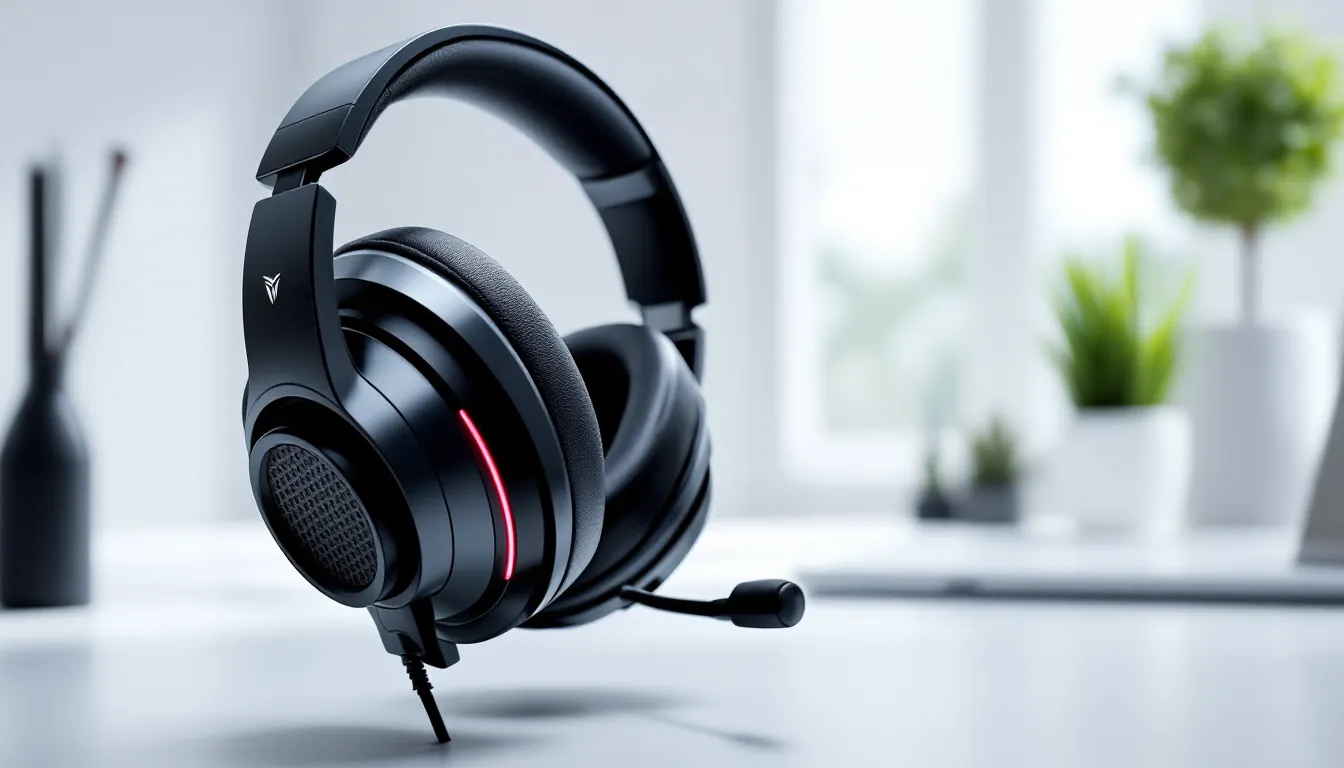
If you’re creating content for YouTube, Twitch, or a gaming blog, you’ve probably hit that frustrating moment: you need a clean, professional-looking gaming headset image without a clunky background ruining your design. That’s where PNG files come in. With their transparent backgrounds and crisp quality, gaming headset PNGs are essential assets for streamers, content creators, and graphic designers who want polished visuals without the hassle of manually removing backgrounds.
But finding high-quality PNGs that actually look good, and won’t land you in copyright hot water, isn’t always straightforward. Some images are low-resolution, others come with restrictive licenses, and plenty are just poorly cropped stock photos. This guide breaks down everything you need to know about gaming headset PNGs in 2026: where to find them, how to create your own, and how to use them effectively across your content without looking amateurish.
Key Takeaways
- Gaming headset PNG files with transparent backgrounds are essential for creators building thumbnails, overlays, and promotional graphics without distracting background elements.
- PNG format preserves image quality through lossless compression, making it superior to JPEG for gaming graphics that need to display sharply across multiple platforms and scales.
- Reliable sources for gaming headset PNGs include free stock sites like Unsplash and Pexels, premium libraries such as Adobe Stock and Envato Elements, and official manufacturer press kits from companies like SteelSeries and Razer.
- You can create custom gaming headset PNGs using Adobe Photoshop, free alternative GIMP, or quick browser-based tools like Remove.bg for fast background removal.
- Always verify commercial use rights and licensing terms before using gaming headset PNG images in monetized content, reviews, or affiliate marketing to avoid copyright violations.
- Professional editing techniques like color correction, drop shadows, and RGB lighting effects transform basic gaming headset PNGs into polished assets that enhance thumbnails, overlays, and social media graphics.
What Is a Gaming Headset PNG and Why It Matters
A gaming headset PNG is simply an image file of a gaming headset saved in the Portable Network Graphics (PNG) format. The key difference between a PNG and other image formats like JPEG is the ability to preserve transparency, meaning you can drop the image onto any background without that ugly white or colored box around it.
For anyone building gaming content, this transparency is non-negotiable. Whether you’re designing a stream overlay, crafting a thumbnail, or assembling a product comparison chart, PNG files blend seamlessly into your project without additional editing.
Understanding PNG Format for Gaming Graphics
PNG files use lossless compression, which means they maintain image quality even after multiple edits and saves. Unlike JPEGs, which degrade slightly every time you save them, PNGs preserve every pixel of detail, critical when you’re working with high-resolution headset images that need to look sharp on 1440p or 4K displays.
The format supports millions of colors and varying levels of transparency through an alpha channel. This alpha channel is what allows the background to disappear entirely, leaving only the headset visible. It’s why PNGs have become the standard for gaming graphics, UI elements, and any visual asset that needs to layer cleanly over other content.
File sizes for PNGs tend to be larger than JPEGs because of that lossless compression, but the trade-off is worth it when image quality matters. A typical high-resolution gaming headset PNG might range from 500KB to 3MB depending on dimensions and complexity.
Transparency Benefits for Gaming Content Creators
Transparency isn’t just a technical feature, it’s a time-saver. Without it, you’d need to manually remove backgrounds using editing software every single time you want to use an image. For creators churning out thumbnails, overlays, or social graphics on tight schedules, having pre-made transparent PNGs cuts production time significantly.
Layering is another massive advantage. You can stack multiple PNG elements, headsets, keyboards, mice, on a single canvas without worrying about overlapping backgrounds clashing. This makes building complex graphics or promotional banners much cleaner and more professional-looking.
PNGs also scale better in design workflows. Whether you’re working in Photoshop, GIMP, Canva, or even PowerPoint, transparent PNGs drop right in and behave predictably. No fussing with clipping masks or layer adjustments just to make the image look decent.
Where to Find High-Quality Gaming Headset PNG Files
Tracking down quality gaming headset PNGs can feel like a scavenger hunt if you don’t know where to look. The good news? There are several reliable sources that offer both free and premium options, depending on your needs and budget.
Free Stock Image Websites for Gaming PNGs
Several stock image platforms offer free PNG files that are perfectly usable for personal projects and sometimes even commercial work, depending on the license. Unsplash and Pexels occasionally have gaming peripherals, though their selection tends to be hit-or-miss for specific headset models. Pixabay is another option, but quality varies widely, expect to sift through some lower-resolution images.
PNGTree and FreePNGs are more specialized, focusing specifically on transparent images. They have dedicated gaming categories where you can find headset PNGs, though the free tier often limits downloads or includes watermarked previews. For quick mockups or non-commercial use, these work fine.
One underrated source is Wikimedia Commons, which sometimes hosts high-quality product shots uploaded by manufacturers or tech reviewers. These are usually royalty-free and properly licensed, though the selection is limited.
Premium Gaming Asset Libraries
If you’re creating content professionally or need consistent quality, premium libraries are worth the investment. Envato Elements offers unlimited downloads for a monthly subscription and has a solid gaming section with professionally photographed and rendered headset PNGs. The quality is noticeably higher than most free sources, and licensing is straightforward for commercial projects.
Adobe Stock and Shutterstock are the heavyweights here, with massive libraries and advanced search filters. You can narrow results by orientation, color, and even specific headset features like RGB lighting or wireless designs. Pricing is per-image or via subscription, but if you need a specific high-end model, they usually have it.
Creative Market is another solid option, especially if you’re looking for stylized or illustrated headset PNGs rather than photorealistic ones. Independent designers sell asset packs that often include multiple angles and color variations of popular gaming headsets.
Manufacturer Official Resources
This is the most overlooked but often the best source for accurate, high-quality PNGs. Many gaming peripheral manufacturers provide press kits or media resources on their websites with official product images, including transparent PNGs.
SteelSeries, Razer, Logitech G, HyperX, and Corsair all maintain press or media sections (usually under “Newsroom” or “Press”) where you can download official product shots. These images are not only high-resolution but also color-accurate and professionally lit, which is crucial if you’re doing product reviews or comparisons.
These official resources typically allow use for editorial and review purposes, though you should always check the specific terms. If you’re reviewing a product or creating educational content, this is your best bet for both quality and legal clarity.
How to Create Your Own Gaming Headset PNG Images
Sometimes you can’t find the exact headset image you need, or you want a specific angle or lighting setup. Creating your own PNG from a standard photo isn’t complicated, but doing it well requires the right tools and a bit of technique.
Essential Tools and Software for PNG Creation
For serious background removal and image editing, Adobe Photoshop remains the gold standard. Its selection tools, especially the Object Selection Tool and Select Subject feature powered by Adobe Sensei AI, make isolating complex objects like headsets surprisingly fast. The Refine Edge function helps clean up tricky areas like headbands and ear cup padding.
GIMP is the best free alternative if you’re not subscribed to Adobe. It’s open-source, powerful, and handles transparency natively. The learning curve is steeper than Photoshop, but once you get comfortable with the Paths tool and layer masks, results are nearly identical.
For quick jobs or if you’re not comfortable with heavy editing software, Remove.bg is a browser-based AI tool that automatically removes backgrounds. You upload an image, and it spits out a PNG in seconds. It’s not perfect, complex shapes or similar-colored backgrounds can confuse it, but for clean product shots, it’s shockingly effective. The free version caps resolution at 625×625 pixels, so you’ll need the paid tier for full-res exports.
Canva Pro also includes a background remover now, and it’s surprisingly decent for simple images. If you’re already using Canva for thumbnails or graphics, it’s convenient to handle PNG creation in the same workflow.
Step-by-Step Background Removal Techniques
Start with the highest-resolution source image you can find. Low-res photos produce muddy PNGs that look terrible when scaled or printed. Ideally, shoot or source images at least 2000 pixels on the longest side.
In Photoshop, open your image and duplicate the background layer (right-click > Duplicate Layer). Use the Object Selection Tool or Quick Selection Tool to roughly outline the headset. Photoshop’s AI has gotten very good at detecting edges, so the initial selection usually captures 80-90% of the object accurately.
Refine the selection using Select and Mask (Select > Select and Mask). Increase the Radius slider to catch fine details like cables or mesh grilles. Use the Refine Edge Brush to manually clean up areas the AI missed, this is especially important around curved surfaces and transparent materials like plastic housings.
Once satisfied, output to a New Layer with Layer Mask. This creates a non-destructive mask, so you can go back and tweak edges if needed. Delete or hide the original background layer, then export as PNG (File > Export > Export As, and choose PNG with transparency enabled).
For GIMP users, the process is similar but uses the Foreground Select Tool or Free Select Tool for initial isolation, then layer masks for refinement. The Paths tool gives pixel-perfect control for hard edges if you’re willing to invest the time.
Optimizing Image Quality and File Size
High-resolution PNGs can balloon to 5-10MB, which is overkill for most web use and slows down page loads or stream overlays. Use tools like TinyPNG or ImageOptim to compress your PNGs without visible quality loss. These tools use smart compression algorithms that can reduce file sizes by 50-70% while keeping the image crisp.
If you’re using the PNG for web or streaming, aim for a final file size under 1MB for standard overlay elements. For print or high-resolution design work, you can afford larger files, just keep source files separate from web-optimized versions.
Make sure to save at the appropriate dimensions for your use case. A 4000×4000 pixel PNG is unnecessary if your overlay element only displays at 300×300 pixels on-screen. Resize before exporting to keep file sizes manageable and performance smooth.
Best Use Cases for Gaming Headset PNG Images
Gaming headset PNGs aren’t just decorative, they serve specific functional purposes across different types of content. Knowing where and how to use them effectively makes the difference between professional-looking work and something that screams “amateur hour.”
Streaming Overlays and Alerts
Transparent headset PNGs are staples in Twitch and YouTube stream overlays, often used to brand “starting soon” screens, donation alerts, or webcam frames. Streamers frequently place a stylized version of their actual headset in the corner of their overlay to reinforce their setup branding or sponsorships.
These PNGs work well in tools like OBS Studio, Streamlabs, or StreamElements. You can animate them with subtle rotation or glow effects to add visual interest without being distracting. Many professional esports setups use branded headset graphics to maintain consistent visual identity across streams and tournaments.
Keep file sizes lean here, streaming software performance matters, and bloated image assets can contribute to dropped frames or encoding lag on mid-range systems.
YouTube Thumbnails and Channel Art
Thumbnails are the first impression for any video, and gaming headset PNGs add instant context that this is gaming-related content. Whether you’re reviewing a specific model or creating a “best gaming headsets 2026” roundup, having clean, high-contrast PNG images makes your thumbnail pop in search results and suggested videos.
Layer the headset PNG over a bold, contrasting background, preferably with the headset angled slightly for depth. Add text sparingly and make sure it doesn’t cover critical parts of the headset image. The goal is to make the viewer’s eye go directly to the product, then to your title text.
For channel art and banners, headset PNGs work well as part of a broader “gaming setup” collage. Combine them with keyboard, mouse, and monitor PNGs to build a cohesive branded header that communicates what your channel is about at a glance.
Gaming Blog Posts and Reviews
If you’re writing hardware reviews or comparison guides, transparent headset PNGs let you build clean product comparison tables or feature highlight graphics. Instead of bulky photos with backgrounds, you can line up multiple headset models side-by-side with equal visual weight.
Many gaming sites use PNGs for “pros and cons” graphics or spec callouts, placing the headset image next to bullet points or feature lists. This keeps the layout clean and professional, especially when you’re comparing multiple products in one article. Detailed gaming peripheral reviews often rely on transparent product shots to maintain visual consistency across hundreds of tested items.
PNGs also resize better within responsive blog layouts. A transparent image adapts cleanly to mobile, tablet, and desktop views without awkward white boxes or cropping issues.
Social Media Graphics and Promotional Content
Instagram posts, Twitter graphics, and Facebook ads all benefit from clean, transparent headset images. You can overlay headset PNGs onto branded backgrounds, promotional banners, or giveaway announcements without the image looking pasted-on or cheap.
For Instagram Stories or TikTok, headset PNGs work well as stickers or animated elements. You can add them to gameplay clips, unboxing videos, or setup tours to highlight specific gear without cluttering the frame.
Promotional content, whether you’re advertising a sale, affiliate link, or sponsored post, looks infinitely more professional with properly isolated product images. The transparency lets your brand colors and design language shine through while keeping the focus on the product itself.
Top Gaming Headset Models to Look for in PNG Format
Not all gaming headsets are created equal when it comes to visual appeal or market recognition. If you’re building content, certain models are instantly recognizable and carry more weight with your audience. Knowing which headsets to feature, and where to find quality PNGs of them, gives your content credibility.
Popular Wireless Gaming Headsets
SteelSeries Arctis Nova Pro Wireless is one of the most visually striking headsets on the market in 2026, with its swappable battery system and sleek design. Official PNGs are available through SteelSeries’ press resources, and the dual-wireless feature makes it a popular choice for multi-platform content.
Logitech G Pro X 2 Lightspeed is another standout, especially in the esports scene. Its minimalist design and graphene drivers make it a favorite among competitive players, and Logitech’s media library has high-quality PNGs from multiple angles.
Razer Barracuda Pro offers a hybrid gaming/lifestyle aesthetic that photographs well and translates nicely to PNG format. The neutral color scheme makes it easy to integrate into various design themes without clashing.
Wireless headsets generally have cleaner designs without cable clutter, which makes them easier to isolate and more visually appealing in transparent format. When sourcing PNGs, look for images that show the headset from a slight three-quarter angle, this adds depth and makes the image more dynamic than a flat side profile.
Professional Esports Headsets
Esports-grade headsets carry authority in gaming content. The HyperX Cloud Alpha series remains a staple, known for its durability and balanced sound. HyperX provides official press images, and the distinctive red accents make the headset immediately recognizable in thumbnails or graphics.
Astro A40 TR with its modular design and MixAmp has been an esports tournament standard for years. The open-back design and customizable speaker tags photograph well, and Astro’s press kit includes detailed PNGs suitable for professional use.
EPOS H6 Pro (formerly Sennheiser GSP 670) is favored by many professional players for its audio fidelity. It’s less flashy than RGB-heavy models, but that understated design actually works better in certain editorial contexts where you want the focus on performance rather than aesthetics.
When featuring esports headsets, check what pro players are currently using, trends shift with new sponsorships and product releases, and referencing current meta choices keeps your content relevant.
RGB and Customizable Gaming Headsets
For content that needs visual pop, RGB headsets are hard to beat. The Corsair Virtuoso RGB Wireless XT features customizable lighting zones that look spectacular in marketing materials and social graphics. Corsair’s official PNGs often include versions with RGB lighting enabled, which adds instant gaming flair.
Razer Kraken V3 Pro with its Razer Chroma RGB is another heavy hitter, especially if you’re creating content aimed at the RGB enthusiast crowd. The lighting integration with other Razer peripherals makes it a popular choice for full setup showcases.
ASUS ROG Delta S Animate takes customization further with an AniMe Matrix LED display on the ear cups. This unique feature makes it instantly distinctive in PNG format, perfect for content that needs to stand out or showcase cutting-edge gaming tech.
When working with RGB headset PNGs, you’ll often want multiple versions: one with lighting off for clean product shots, and one with RGB enabled for more dynamic, eye-catching graphics. Many manufacturers provide both in their press kits.
Copyright and Licensing Considerations
Using someone else’s image, even a PNG, without proper licensing can get you into trouble, especially if you’re monetizing content through ads, sponsorships, or affiliate links. Understanding the legal landscape isn’t optional if you want to avoid takedown notices or worse.
Understanding Commercial Use Rights
The biggest distinction in image licensing is personal versus commercial use. Personal use generally means non-monetized projects: school presentations, personal blogs without ads, or private design work. Commercial use covers anything where money changes hands: YouTube videos with monetization enabled, sponsored social posts, affiliate marketing content, or client work.
Most free stock sites like Unsplash and Pexels offer licenses that allow commercial use, but always read the specific terms. Some prohibit use in ways that imply endorsement, meaning you can’t make it look like the headset manufacturer is sponsoring you unless they actually are.
Premium stock libraries like Adobe Stock and Shutterstock include commercial licenses with purchase or subscription, with clear terms about print runs, digital distribution, and resale restrictions. These are safer for professional work because the licensing is explicit and well-documented.
Manufacturer press images typically allow editorial use, meaning reviews, news coverage, and educational content, but may restrict promotional use without permission. If you’re creating an ad or sponsored post featuring a headset you don’t have a partnership with, using their official PNG might violate their terms. When in doubt, email their PR team for explicit permission.
Attribution Requirements and Best Practices
Some licenses require attribution, crediting the original creator or source. Creative Commons licenses (CC BY, CC BY-SA, etc.) often have this requirement, and failing to attribute can void your license to use the image.
If attribution is required, include it in a logical place: video descriptions, image captions, or a credits section on your website. For social media where space is tight, a simple “Image: [Source]” in the caption or first comment usually suffices.
Even when attribution isn’t legally required, it’s good practice, especially in the gaming community where crediting artists and creators is culturally valued. If you grabbed a PNG from an independent designer on Creative Market or DeviantArt, a quick shoutout builds goodwill and often leads to better resources down the line.
Keep records of where you sourced images and under what license. If your content blows up and attracts legal scrutiny, being able to prove you used properly licensed assets protects you. A simple spreadsheet tracking image sources, license types, and download dates takes five minutes and can save you thousands in legal headaches.
Tips for Editing and Customizing Gaming Headset PNGs
A raw PNG straight from a stock site or manufacturer rarely fits perfectly into your project. A bit of editing and customization transforms a generic asset into something that looks intentional and polished.
Color Correction and RGB Effects
Color correction ensures the headset image matches your overall design palette and looks consistent with other elements. In Photoshop, use Hue/Saturation (Image > Adjustments > Hue/Saturation) to shift colors without losing detail. This is especially useful if you need a black headset to match a specific shade or want to tone down overly saturated product photography.
Curves and Levels adjustments help balance brightness and contrast, making the headset pop against your background or blend more naturally depending on your goal. If the original image looks flat or washed out, a slight S-curve in the Curves panel adds depth and dimension.
For RGB effects, duplicate your headset layer and apply a Color Overlay or Gradient Map in layer blend modes like Screen or Lighten. This simulates RGB lighting even on headsets that don’t have it, perfect for creating stylized graphics. Many tech review sites use subtle color grading to make product images more visually cohesive with their brand colors.
You can also add glow effects using Outer Glow in layer styles. Set the glow color to match your theme, cyan and magenta are popular in gaming aesthetics, and adjust opacity and size to taste. Don’t overdo it: subtle glows look professional, while heavy-handed effects look amateurish.
Resizing Without Losing Quality
Resizing PNGs requires care to avoid pixelation or blurriness. Always work from the largest source file available and scale down rather than up, upscaling introduces artifacts and softness that no amount of sharpening can fully fix.
In Photoshop, use Bicubic Sharper for reduction (Image > Image Size, and select Bicubic Sharper in the dropdown). This resampling method preserves edges and fine details better than the default automatic option.
For significant resizing, consider using AI upscaling tools like Topaz Gigapixel AI or Let’s Enhance if you need to enlarge an image. These tools use machine learning to add detail and reduce typical upscaling artifacts, though results vary depending on the source image quality.
Always check your resized image at 100% zoom to verify edge quality. Headset details like logos, mesh grilles, and cable connectors can turn mushy if the resize settings aren’t optimal. If you spot issues, try adjusting the sharpening amount or using a different resampling algorithm.
Adding Shadows and Lighting Effects
Shadows add realism and help the headset PNG feel grounded rather than floating awkwardly on your background. Create a new layer beneath your headset layer, use a soft black brush at low opacity, and paint a gentle shadow that extends from the base of the headset. The direction and length should match any other lighting in your composition.
Drop Shadow layer styles work for quick results but can look generic. For more control, manually paint shadows on a separate layer and adjust opacity and blur to taste. This method also lets you create directional shadows that respond to implied light sources in your design.
For lighting effects, add a new layer above your headset set to Overlay or Soft Light blend mode. Paint with a soft white or light blue brush where light would naturally hit, top of the headband, ear cup edges, cable highlights. This simulates studio lighting and makes the headset look less flat.
Reflection or rim lighting adds extra polish. Create a thin, bright line along one edge of the headset using a small white brush on a new layer. This rim light effect is common in product photography and instantly makes images look more professional and three-dimensional.
Conclusion
Gaming headset PNGs are more than just convenient assets, they’re essential tools for anyone creating content in the gaming space in 2026. Whether you’re pulling images from manufacturer press kits, commissioning custom renders, or isolating backgrounds yourself, having a library of quality transparent headset images streamlines your workflow and elevates your visual presentation.
The key is knowing where to find reliable sources, understanding licensing to avoid legal issues, and developing the editing skills to customize PNGs for your specific needs. Free stock sites work for casual projects, but investing in premium libraries or learning background removal techniques pays dividends if you’re creating content regularly.
As gaming peripherals continue to evolve, more RGB, more wireless options, more modular designs, the demand for high-quality product PNGs will only grow. Building a solid foundation in sourcing, creating, and editing these assets now sets you up for faster, better-looking content production down the line. And in a space as visually competitive as gaming, that edge matters.