

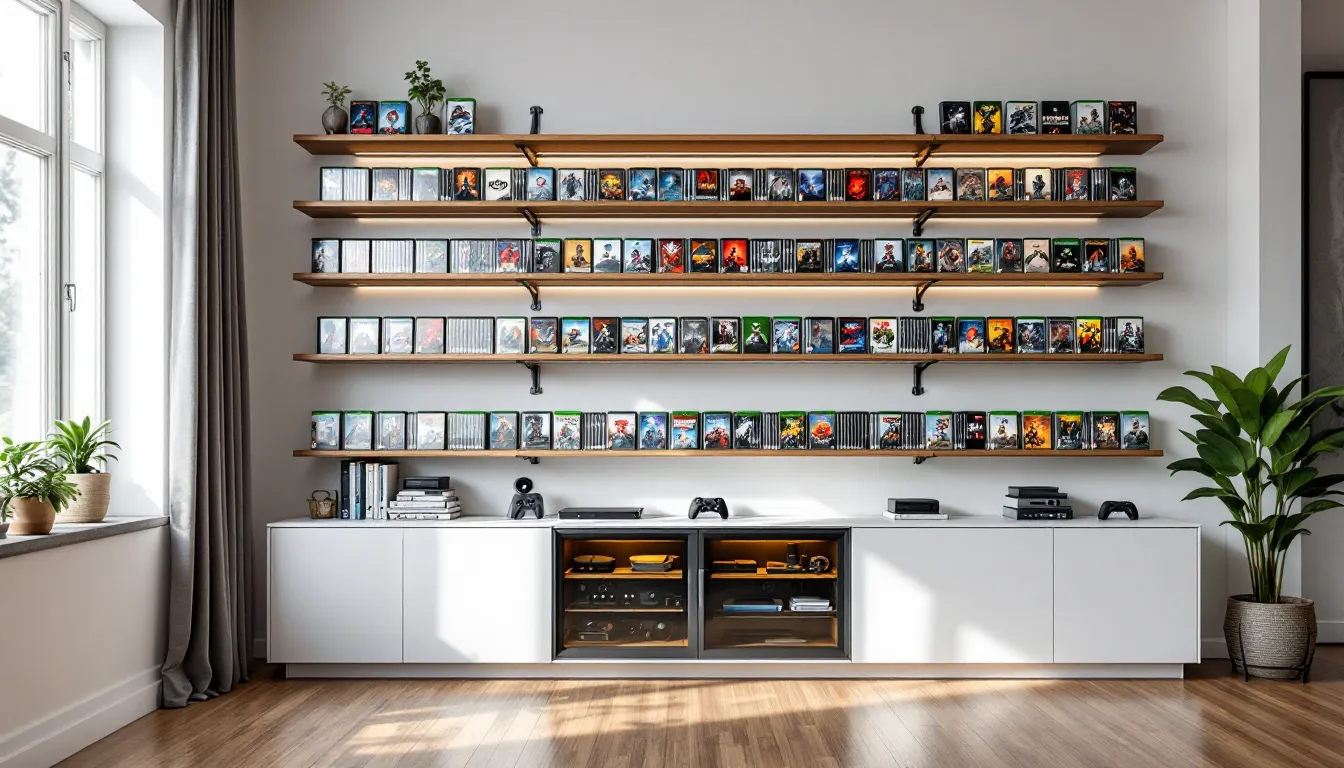
Physical game collections have made a comeback. In an era where digital libraries dominate, more gamers are curating tangible collections, whether it’s limited edition steelbooks, retro cartridges, or high-end collectibles. But here’s the thing: a killer collection means nothing if it’s gathering dust in storage bins or crammed into a random bookshelf that wasn’t built for the weight.
Gaming shelves aren’t just furniture. They’re the difference between a collection that looks like an afterthought and one that becomes the centerpiece of a gaming room. Proper shelving protects investments, makes it easy to grab what’s needed for game night, and, let’s be honest, looks incredible when friends come over. Whether dealing with a dozen favorite titles or hundreds spanning multiple console generations, the right shelving setup changes everything.
This guide breaks down the types of gaming shelves available in 2026, how to choose the right option for specific needs, and expert-level organization tactics that make collections shine. No filler, just practical advice for gamers who take their physical media seriously.
Key Takeaways
- Gaming shelves protect physical game collections from dust, UV damage, and accidental harm while increasing accessibility and display value.
- Weight capacity and proper wall anchoring are critical—shelves must support 50+ pounds per shelf for serious collections, with anchors driven into studs rather than drywall alone.
- Five primary shelving types exist for different needs: floating shelves for minimalist displays (40-50 games), tower bookcases for extensive collections (100+ games), corner shelves for small spaces, glass-door display cases for premium protection, and modular systems for customizable configurations.
- Collections typically grow 25-30% annually, so overestimate needed capacity by at least 25-30% to avoid outgrowing shelves within six months.
- Organization by platform, genre, or franchise combined with color blocking, negative space, and LED accent lighting transforms functional storage into visually striking gaming room showcases.
- Common mistakes including poor wall mounting, neglecting weight limits, cramming games too tightly, and positioning shelves in unstable environments cause damage that costs significantly more than investment in proper gaming shelves.
Why Every Gamer Needs Dedicated Gaming Shelves
Throwing games on a generic shelf might work for a handful of titles, but it’s a terrible long-term strategy. Gaming shelves designed specifically for game storage solve problems most gamers don’t realize they have until something breaks or disappears.
First, weight capacity matters more than most people think. A standard PS5 game weighs around 3-4 ounces, but steelbook editions, collector’s sets, and older console boxes (looking at original Xbox cases) add up fast. Fifty games on a flimsy shelf can bow the material or outright collapse it. Gaming shelves account for this.
Second, dedicated gaming shelves protect against the real enemies: dust, sunlight, and accidental damage. UV exposure fades box art over time, something collectors learned the hard way with early PlayStation cases. Proper shelving with optional glass doors or UV-resistant materials keeps everything pristine.
Third, there’s the accessibility factor. Games scattered across closets or stacked in bins means wasting time hunting for that one title. A well-organized shelf makes the entire library visible at a glance, which is exactly how it should be.
Finally, dedicated gaming shelves just look better. A clean, organized display turns a collection into a conversation piece. It shows that the games matter, that they’re not just clutter. For anyone streaming, making content, or simply taking pride in their setup, that visual impact is worth the investment.
Types of Gaming Shelves for Different Collections
Floating Shelves for Minimalist Gaming Setups
Floating shelves are the go-to for gamers who want a clean, modern look without taking up floor space. These mount directly to the wall, creating the illusion that games are suspended mid-air. They’re perfect for displaying a curated selection rather than an entire library.
The key advantage is flexibility. Install them at any height, stagger them for visual interest, or align them in neat rows. Many floating shelves support 20-30 pounds per shelf when properly anchored into studs, which handles about 40-50 standard game cases.
Downside? Limited capacity. Floating shelves work best for highlighting favorites or current rotation titles, not for housing hundreds of games. They also require decent wall-mounting skills, or at least a willingness to follow setup tutorials carefully.
Tower Shelves and Bookcases for Extensive Collections
Tower shelves and traditional bookcases are the workhorses for serious collectors. These freestanding units offer multiple shelves with adjustable heights, making them adaptable to everything from Switch cases to bulky collector’s editions.
IKEA’s Billy bookcase remains a staple in 2026 for good reason: cheap, sturdy, and modular. For gamers with 200+ titles, multi-tier tower shelves provide vertical storage that doesn’t eat up entire walls. Look for units with adjustable shelving, game cases vary wildly in height, and fixed shelves waste space.
These shelves handle serious weight when built right. Quality bookcases support 50-75 pounds per shelf, enough for 100+ games stacked spine-out. The trade-off is footprint, they take up floor space that might be needed for other gaming gear.
Corner Shelves to Maximize Small Gaming Spaces
Corner shelves turn dead space into functional storage. Gaming setups often leave corners unused, especially in smaller rooms or apartments. Corner units fit snugly into these areas, providing surprisingly decent capacity without interfering with the main setup.
They come in both floating and freestanding designs. Five-tier corner shelves can hold 60-80 games depending on configuration. The triangular or curved shape makes them less efficient than rectangular shelves, but the space-saving benefit outweighs that for cramped rooms.
One caution: corner shelves can be awkward to access if positioned behind furniture. Plan the layout so reaching for games doesn’t require moving chairs or contorting around desks.
Display Cases with Glass Doors for Premium Protection
Display cases with glass doors are the premium option for collectors who treat games as investments. These cabinets protect against dust, UV damage, and curious hands (or pets) while showcasing the collection behind clear panels.
Detolf-style glass cabinets from IKEA have been collector favorites for years, and 2026 models now include optional LED integration. The enclosed design means zero dust accumulation, which is massive for long-term preservation. Some high-end cases even feature UV-filtering glass, crucial for rare titles where box art condition affects value.
The downsides are cost and access. Glass door cases run $150-$500+ depending on size and features. Grabbing a game requires opening doors, which isn’t ideal for frequently-played titles. These work best for display-focused collections where games are more showcase than active rotation.
Modular and Customizable Shelving Systems
Modular shelving systems offer ultimate flexibility for collections that evolve. Brands like ClosetMaid and Elfa let gamers build custom configurations with interchangeable cubes, shelves, and drawers. Add or remove sections as the collection grows without replacing the entire unit.
These systems shine for mixed collections, combining game storage with space for consoles, controllers, and collectibles. Cube organizers work especially well for Switch and PS Vita cases, which fit perfectly in 11×11-inch cubes. Larger sections handle collector’s editions or gaming peripherals.
The learning curve is steeper than grabbing a pre-built shelf, and costs add up when customizing. But for gamers who want a truly tailored solution that adapts over time, modular systems deliver.
How to Choose the Right Gaming Shelves for Your Setup
Assessing Your Collection Size and Growth Plans
Most gamers underestimate how quickly collections grow. Before buying shelves, count current games and honestly estimate growth over the next 2-3 years. Someone with 50 games now might have 150 by 2027 if they’re actively collecting retro titles or hitting sales.
Measure the physical space games occupy, not just the count. PS5 cases are taller than Switch cases. Collector’s editions with statues need completely different shelf dimensions. Steelbooks stack differently than standard plastic cases. Get specific measurements.
Plan for 20-30% more capacity than currently needed. Running out of shelf space six months after buying means either cramming games in unsafely or buying more furniture. Building in buffer room saves headaches and money long-term.
Material Considerations: Wood, Metal, and Acrylic
Shelf material affects durability, aesthetics, and price. Solid wood shelves (oak, pine, birch) offer the best strength-to-weight ratio and look premium, but they’re expensive and heavy. Particleboard or MDF with veneer is cheaper and lighter but less durable, fine for moderate collections under 100 games.
Metal shelving handles enormous weight and has an industrial look that fits certain gaming room aesthetics. Steel wire racks from hardware stores work in a pinch but look utilitarian. Powder-coated metal shelves split the difference, strong, rust-resistant, and decent-looking.
Acrylic shelves create a modern, floating effect. They’re popular for displaying high-end collectibles because they don’t visually compete with the games. The catch is cost and weight limits, acrylic handles less than wood or metal at equivalent thickness. Many gamers reviewing shelving materials prioritize function over form for bulk storage, saving acrylic for showcase pieces.
Weight Capacity and Shelf Stability
This is where cheap shelves fail catastrophically. Always check weight ratings per shelf, not the total unit capacity. A bookcase rated for 200 pounds total might only support 40 pounds per shelf, nowhere near enough for dense game collections.
Standard game cases weigh 2-4 ounces each. Simple math: 50 games = 6-12 pounds. Collector’s editions, strategy guides, and hardcover art books push that much higher. A shelf holding 100 games plus a few collector’s sets can hit 30-40 pounds easily.
Look for shelves rated at 50+ pounds per shelf for serious collections. Check reviews for sagging issues, particleboard shelves often bow at max capacity even if they don’t collapse. For wall-mounted shelves, use proper anchors into studs, not just drywall. A shelf tearing out of the wall at 2 AM isn’t how anyone wants to lose their collection.
Stability matters too. Tall, narrow shelves tip easier than wide, low ones. If the setup includes kids or pets, anchor freestanding units to the wall with furniture straps. It’s cheap insurance against disaster.
Top Gaming Shelf Options for Every Budget in 2026
Budget-Friendly Picks Under $100
For gamers on a tight budget, the IKEA Kallax 2×2 ($49.99) punches above its weight. Four cube sections hold roughly 80-100 standard game cases standing upright. The 16-cube version ($149.99) scales up for growing collections. Kallax units are modular, so adding another later is seamless.
Mainstays 3-Shelf Bookcase ($35-$45) from Walmart works for basic storage. It’s not fancy, but three shelves hold about 120 games spine-out. Weight capacity is the limiting factor, keep heavy collector’s editions on lower shelves to prevent bowing.
Better Homes & Gardens 8-Cube Storage Organizer ($79) offers more compartmentalization than open shelves. Each cube fits 12-15 Switch or DS cases, more for smaller retro cartridges. The divided design keeps games from falling over, which is clutch for incomplete rows.
Budget picks require compromise. Expect particleboard construction, basic finishes, and moderate weight limits. They’re functional but not showpieces.
Mid-Range Options for Serious Collectors
The Atlantic Oskar 1080 ($120-$150) is purpose-built for media storage, holding up to 1,080 CDs, or about 400-500 game cases depending on size. Adjustable shelves accommodate different case heights. It’s the sweet spot between capacity and cost for collectors with 200+ games.
Prepac Triple Width Wall Storage ($180-$220) mounts to the wall and provides massive capacity in a slim profile. Nine adjustable shelves handle 300+ games while keeping floor space clear. Installation is more involved than freestanding units, but the result is clean and professional.
South Shore Axess Collection 5-Shelf Bookcase ($150-$170) offers solid build quality with a modern look. Five shelves adjustable in 1.25-inch increments adapt to any collection mix. Weight capacity hits 70 pounds per shelf, enough for the heaviest gaming collections.
Mid-range shelves balance quality, capacity, and price. They’re built to last years and look deliberate, not thrown together.
Premium Display Solutions for Ultimate Gaming Rooms
IKEA Detolf Glass-Door Cabinet ($249) remains the collector’s standard for showcasing premium items. Four glass shelves display 60-80 games with full visibility and dust protection. Integrated lighting options in 2026 models add ambiance without DIY work.
Atlantic Elite Media Storage Cabinet ($400-$500) combines enclosed storage with elegant design. Adjustable shelves, solid wood construction, and optional glass doors make this a furniture piece first and storage second. Capacity exceeds 500 games across multiple shelves.
For ultimate flex, custom-built shelving runs $800-$2,000+ depending on size and features. Local carpenters or specialty furniture makers create solutions tailored to exact room dimensions and aesthetic preferences. This route makes sense for dedicated game rooms where the collection is a primary design element.
Premium options aren’t just about storing games, they’re about presentation. These shelves turn collections into curated displays worth showing off.
Organizing Your Gaming Collection Like a Pro
Sorting by Platform, Genre, or Franchise
Organization method depends on how games get accessed. Platform-based sorting (all PS5 together, all Switch together) is intuitive and matches how most gamers think. It makes sense when frequently swapping between consoles.
Genre-based sorting groups similar games regardless of platform, all RPGs together, all shooters together. This works for collectors focused on specific types of games or for mixed households where different people prefer different genres.
Franchise-based sorting keeps series together chronologically. All Zelda titles in release order, all Halo games together, etc. This appeals to completionists and looks satisfying on shelves. The downside is fracturing platforms, PlayStation and Xbox versions of multiplatform franchises end up separated.
Many collectors use hybrid systems: platforms as primary organization, then genre or franchise within each platform section. The key is consistency, pick a system and stick with it.
Creating Visual Balance and Aesthetic Appeal
A well-organized shelf looks good even before considering decorative elements. Spine alignment matters, games should line up flush at the front edge of shelves, not scattered at different depths. It’s a small detail that makes a huge visual difference.
Color blocking creates striking displays by grouping games with similar color spines together. This works especially well for large collections where finding specific titles isn’t the primary goal. The gradient effect from black to red to blue to white can be genuinely impressive.
Negative space prevents shelves from looking cluttered. Leaving 10-15% of shelf space empty or filled with decorative items (figures, posters, small plants) breaks up monotony. Completely packed shelves feel overwhelming even when organized.
Height variation adds visual interest when working with mixed media. Alternate sections of tall collector’s editions with standard cases. Place strategy guides or art books horizontally to break up vertical lines.
Many gaming room setups featured in 2026 lean into intentional aesthetic choices rather than pure functionality. Collections can be both accessible and beautiful.
Incorporating LED Lighting to Showcase Your Games
LED strip lighting transforms gaming shelves from functional storage to display pieces. Adhesive LED strips cost $15-$40 and install in minutes. Position them along the underside of shelves pointing down to illuminate the shelf below, or along the back edge to create a backlit glow.
Smart LED strips with app control let gamers change colors to match room ambiance or even sync with gameplay. Philips Hue and Govee strips integrate with popular gaming ecosystems in 2026.
Puck lights are alternatives for shelves where strips don’t fit. Battery-powered pucks stick to shelf undersides and provide focused pools of light. They’re great for highlighting specific sections or premium items but require battery changes every few months.
Color temperature matters more than most people realize. Warm white (2700-3000K) creates cozy, inviting displays. Cool white (5000-6500K) looks modern and clean but can feel sterile. Neutral white (3500-4500K) splits the difference.
For enclosed cabinets, motion-sensor LED strips turn on when doors open, convenient and energy-efficient. Gaming collections with lighting look professional and intentional, especially on camera for streaming or content creation.
DIY Gaming Shelf Ideas and Customization Tips
Building Custom Shelves for Unique Spaces
DIY shelving solves problems off-the-shelf solutions can’t. Awkward wall angles, unusual room dimensions, or specific aesthetic requirements often demand custom builds. Basic carpentry skills and common tools (drill, level, saw) are enough for simple floating shelves or basic bookcase construction.
Pine boards and brackets create functional floating shelves for under $30 in materials. Cut boards to exact length, sand smooth, finish with stain or paint, then mount with heavy-duty brackets rated for the weight. A 48-inch pine shelf with proper support handles 50+ pounds easily.
Industrial pipe shelving delivers that industrial-modern look using black iron pipes as supports and wooden planks as shelves. Materials run $80-$150 for a 3-shelf unit, and the pipes provide serious weight capacity. The look isn’t for everyone, but it’s become increasingly popular in gaming spaces.
Modular crate systems use wooden crates (purchased or built) stacked and bolted together. This creates highly customizable configurations that can be rearranged as needs change. Crates run $10-$20 each: a decent gaming shelf needs 6-9 crates.
The biggest advantage of DIY is perfect fit. Build exactly the size needed, use specific materials that match room decor, and incorporate features like built-in charging stations or hidden cable management.
Painting and Finishing Techniques for Personalization
Customizing shelf appearance makes them uniquely personal. Spray paint transforms basic wood or metal shelves. Rustoleum’s 2X coverage line provides durable finishes in gaming-friendly colors, matte black, gunmetal gray, glossy red. Multiple light coats prevent drips and ensure even coverage.
Wood staining brings out natural grain on unfinished wood shelves. Minwax offers dozens of stain colors from light oak to dark espresso. Apply with a cloth, let it penetrate for 5-10 minutes, then wipe excess. Seal with polyurethane for protection.
Vinyl decals and stencils add custom graphics without requiring artistic skills. Gaming logos, franchise symbols, or abstract patterns personalize basic shelves. Companies like Etsy sellers offer gaming-themed decals sized for shelves.
Edge banding cleans up raw particleboard edges on budget shelves. Iron-on edge banding (available at hardware stores) covers exposed material and makes cheap shelves look more finished. It takes five minutes per shelf and costs about $8 per roll.
Clear coat sealers protect finished surfaces from wear. This matters for shelves that get handled frequently, fingerprints and scratches accumulate on bare wood or painted surfaces without protection.
Protecting Your Games and Collectibles from Damage
Dust Prevention and Cleaning Best Practices
Dust is the silent collection killer. It accumulates faster than expected and damages cases, discs, and cartridges over time. Enclosed shelving (cabinets with doors) provides the best protection but sacrifices visibility. Open shelving requires regular maintenance.
Microfiber cloths are essential for cleaning game cases without scratching. Wipe down shelves and cases monthly, more often in dry climates or homes with pets. Never use paper towels: they’re abrasive enough to micro-scratch plastic cases.
Compressed air clears dust from tight spaces between games without requiring removal. Quick monthly passes with canned air prevent buildup. For serious collectors, a small handheld vacuum with brush attachment works even better.
Protective plastic sleeves add a barrier between cases and the environment. Box protectors sized for specific case types (PS5, Switch, steelbooks) guard against scratches and UV damage. They’re essential for rare or expensive titles.
HEPA air purifiers in gaming rooms reduce overall dust levels. This isn’t just for game protection, it’s a quality-of-life improvement for anyone spending hours in the space. Purifiers run $80-$300 depending on room size.
Cleaning games already on shelves is easier than many think: remove, wipe with microfiber cloth, return. Do one section at a time so it’s not overwhelming.
UV Protection for Game Cases and Box Art
Sunlight fades box art surprisingly fast. Games displayed near windows can show noticeable fading within 6-12 months. UV-filtering window film blocks 99% of harmful rays while maintaining visibility. It’s a one-time investment ($40-$100 for typical windows) that protects the entire room.
UV-filtering acrylic cases offer targeted protection for individual games. These cost more than standard plastic cases but preserve condition for valuable collector’s items. Graded games and sealed vintage titles especially benefit.
Position shelves away from direct sunlight when possible. Even indirect sun exposure causes gradual fading. If the only wall space is near windows, keep the most valuable or fade-prone games (especially with red, blue, or yellow spine art) in less exposed sections.
Glass-door cabinets with UV filtering combine display with protection. This is the premium solution, full visibility while blocking damaging light. Some 2026 models from manufacturers like IKEA now include UV-resistant glass as a standard option.
For serious collectors treating games as investments, UV protection is non-negotiable. A pristine box maintains value: a sun-faded one doesn’t.
Common Gaming Shelf Mistakes to Avoid
The biggest mistake is buying too small. Gamers consistently underestimate how fast collections grow, especially when hitting sales or discovering retro collecting. A shelf filled to capacity on day one has zero room for growth. Always overestimate needed space by at least 25%.
Ignoring weight limits leads to sagging shelves or complete failure. Particleboard shelves rated for 30 pounds can’t safely hold 50 pounds of games plus decorations. Check ratings and err on the side of caution, or upgrade to stronger materials.
Poor wall mounting causes disasters. Floating shelves anchored only into drywall will eventually rip out. Always anchor into wall studs or use proper drywall anchors rated for the shelf’s loaded weight. A $10 stud finder prevents hundreds of dollars in damage.
Cramming games too tightly makes them difficult to remove and can damage cases. Leave slight gaps so games slide out smoothly without forcing. This also prevents spine wear from friction.
Neglecting environmental factors causes slow damage. Shelves in basements risk moisture damage. Shelves near heating vents experience warping from temperature fluctuations. Position shelving in stable, dry areas away from environmental extremes.
Mixing incompatible styles creates visual chaos. Mismatched shelving units in different finishes and styles look disorganized even when games are neatly arranged. Stick to consistent materials and colors, or embrace an intentional eclectic look, don’t accidentally land in between.
Placing shelves too high makes upper games inaccessible without step stools. If games can’t be reached comfortably, they won’t get played. Keep primary collections at eye level to waist height: use upper shelves for less-accessed items or decorations.
Skipping cable management turns clean shelves into cluttered ones. If shelving sits near consoles or includes lighting, route cables cleanly. Adhesive cable clips, raceways, or simply bundling cables with ties makes huge differences.
Avoiding these mistakes saves money, protects collections, and creates gaming spaces that look as good as they function.
Conclusion
Gaming shelves transform collections from storage problems into showcased assets. The right shelving protects investments, makes games accessible, and turns gaming spaces into rooms worth showing off. Whether working with 50 titles or 500, budget options or premium builds, there’s a shelving solution that fits.
The key is planning ahead, measuring collections accurately, accounting for growth, choosing materials that handle the weight, and organizing with intention. DIY customization adds personal touches, proper lighting elevates the display, and protection measures keep everything pristine for years.
Collections represent hours of gaming, memories, and often significant financial investment. They deserve better than random shelves or storage bins. Gaming shelves built specifically for the purpose do justice to what’s been collected and make every addition to the library feel like an event rather than clutter.
For gamers ready to take their setup seriously, proper shelving isn’t optional, it’s foundational.